Autonomous Builders Collective / ABC Lab is an architectural research lab based in an academic setting whose creative mission is to develop and/or revitalize building technologies and material strategies that empower people to build for themselves.
Marcus Shaffer / Associate Professor, PSU Arch / Developing Digi-mechanical Formwork for Poured Earthen Materials
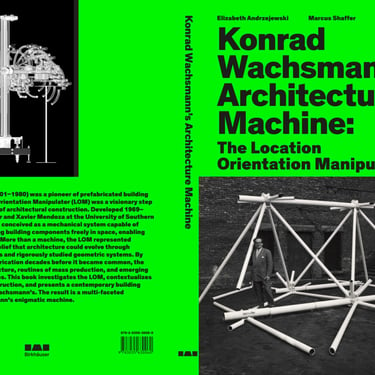
Elizabeth 'Lizz' Andrzejewski (Arch PhD '24) and Marcus Shaffer publish LOM book with Birkhäuser, forthcoming FA 2026
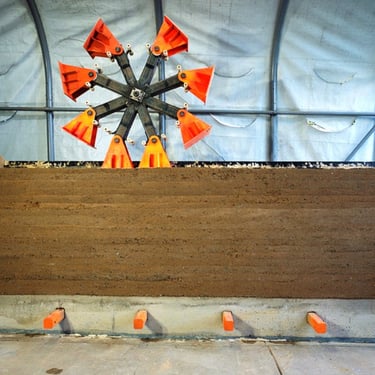
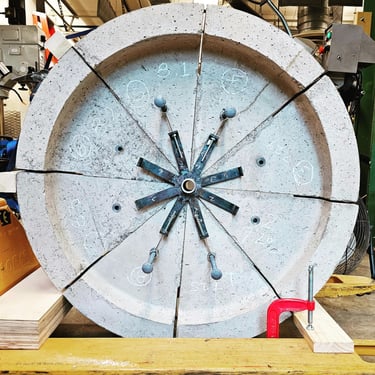
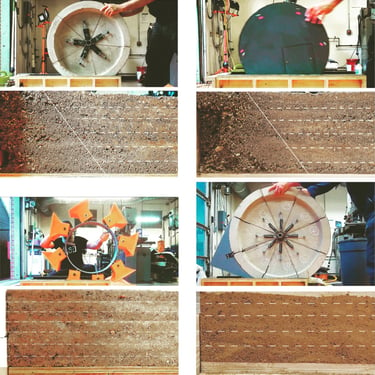
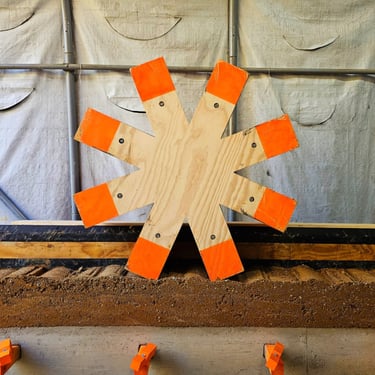
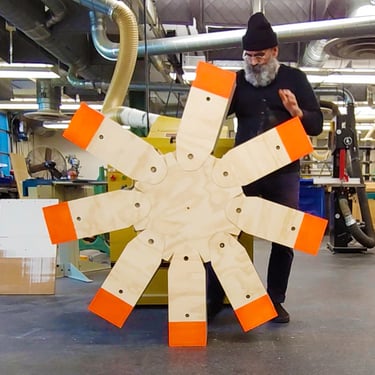
Marcus Shaffer / Associate Professor, PSU Arch / Addressing Labor Intensiveness and Accessibility in Rammed Earth Construction: Developing Rotational Tamping
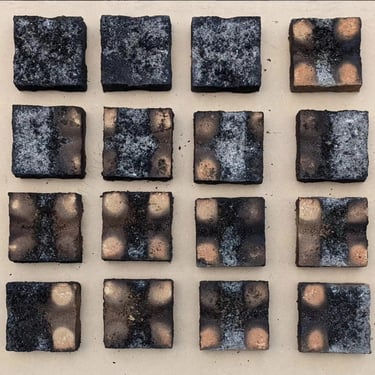
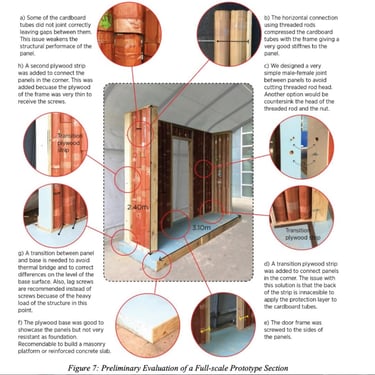
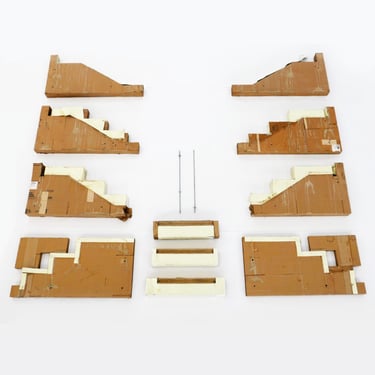
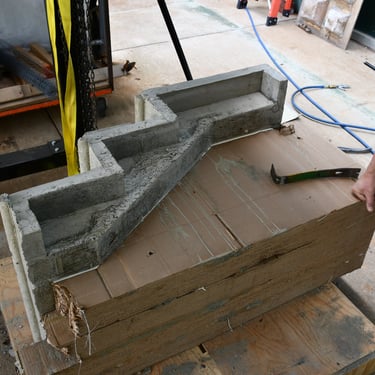
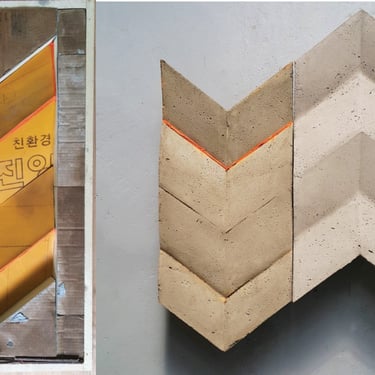
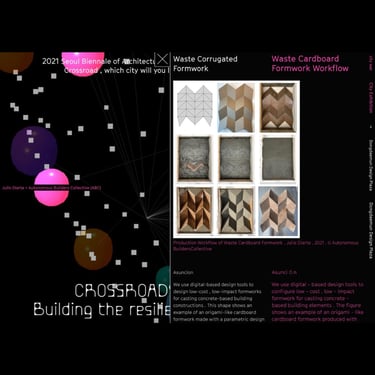
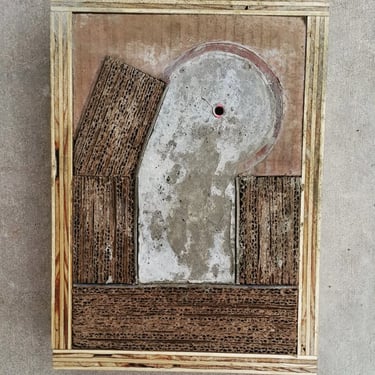
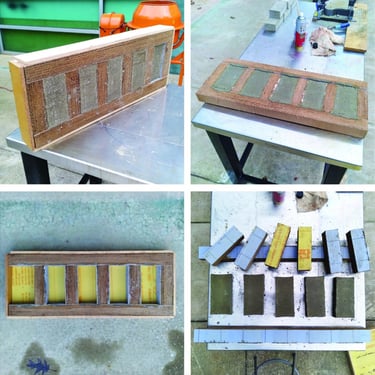
Julio Diarte Almada (ARCH PhD 2021), Elena Vazquez-Peña (ARCH PhD 2022) and Marcus Shaffer / Cardboard Experiments & Formwork
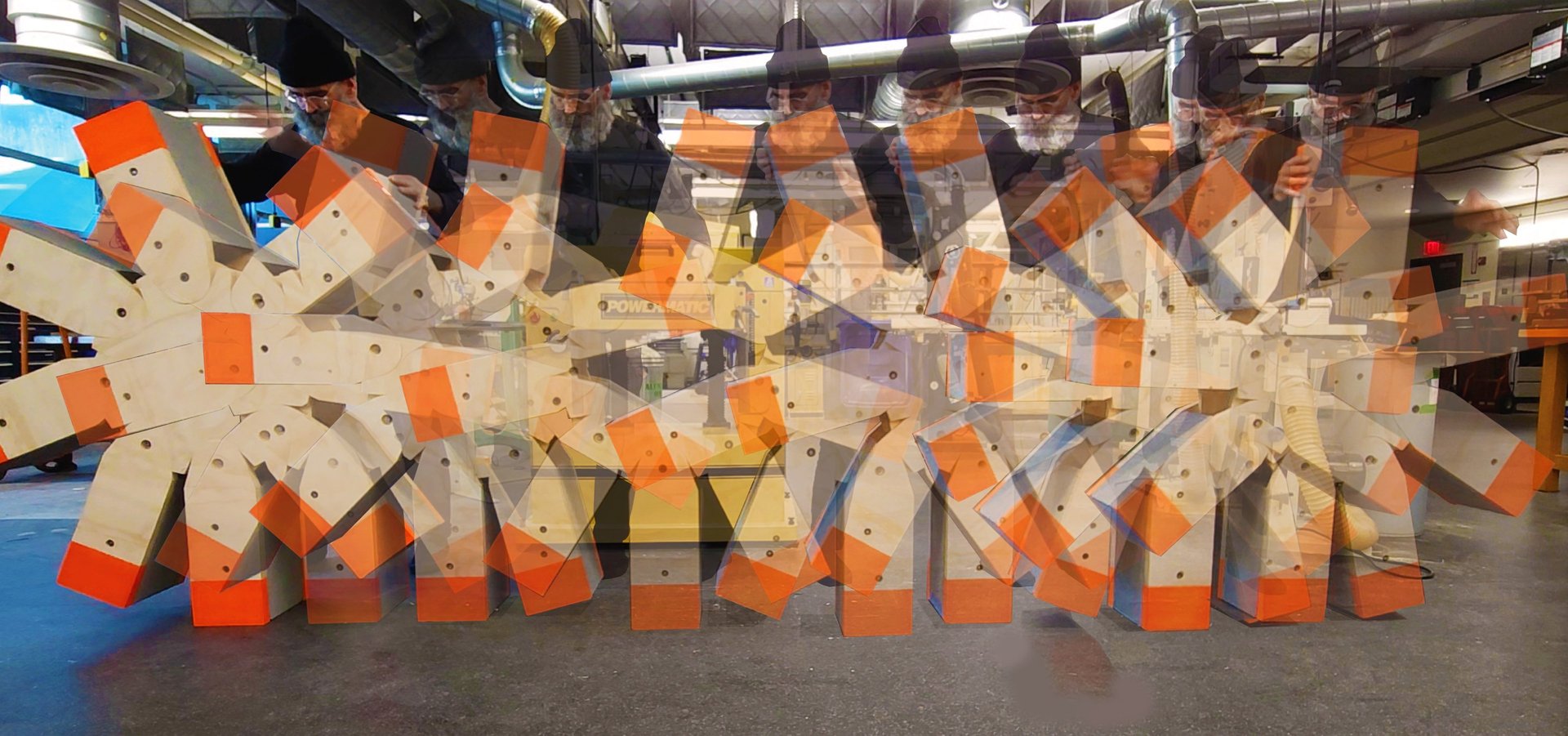
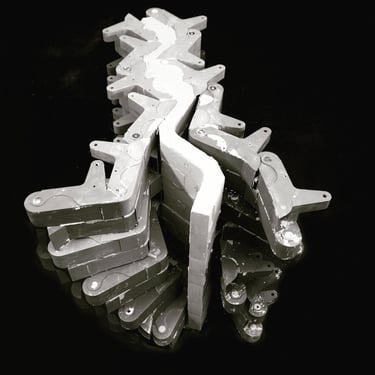
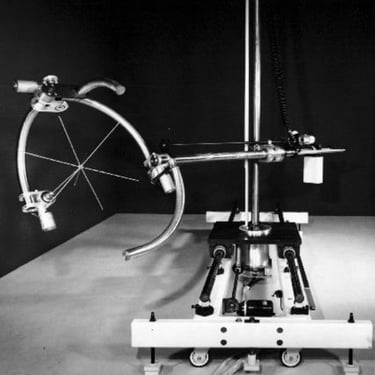
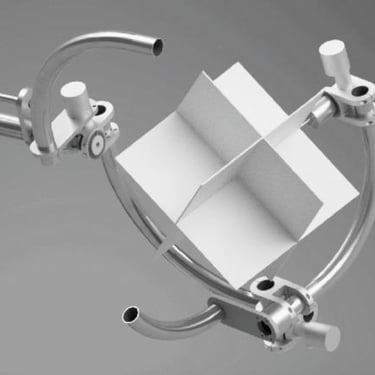
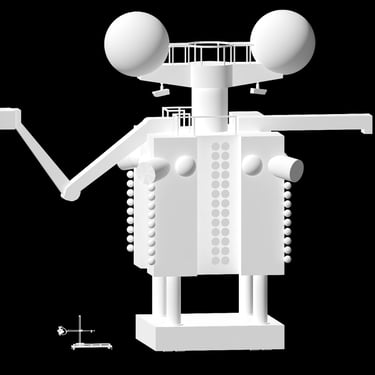
Konrad Wachsmann (1901–1980) was a pioneer of prefabricated building systems. His Location Orientation Manipulator (LOM) was a visionary step toward the automation of architectural construction. Developed during 1969-71 with John Bollinger and Xavier Mendoza at the University of Southern California, the LOM was conceived as a mechanical system capable of positioning and orienting building components freely in space, enabling their precise assembly. More than a machine, the LOM represented Wachsmann’s radical belief that architecture could evolve through industrialized processes and rigorously studied geometric systems. By anticipating robotic fabrication decades before it became common, the machine bridged architecture, routines of mass production, and emerging automation technologies - and then it disappeared. This book investigates the LOM, contextualizes it, documents a reconstruction, and presents a contemporary building machine informed by Wachsmann’s. The result is a multi-faceted impression of Wachsmann’s enigmatic machine.
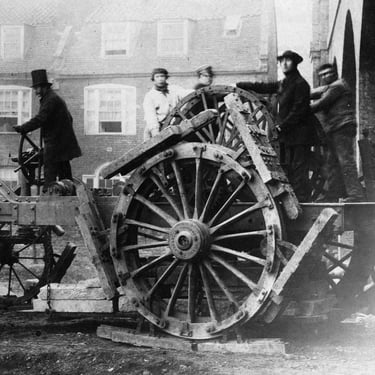
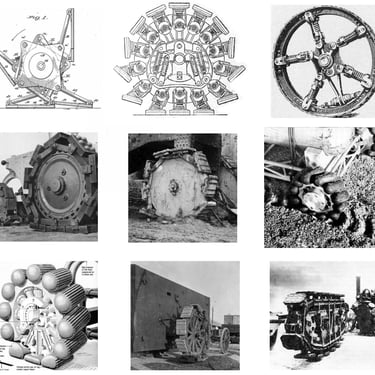
In Earth Construction: Lessons from the Past for Future Eco-efficient Construction, Pacheco-Torgal and Jalali list labor intensiveness as a significant disadvantage attached to earthen construction. In rammed earth specifically, builders are physically taxed, and sometimes harmed, using weighted tools or powerful machines that demand physicality to use/control. The labor of tamping – moderate to very heavy work – is calorie intensive, and rammed earth buildings are dependent on bodies with strength and stamina. When one looks for alternative rammed earth technologies, deficits in tooling and machine development emerge – one gap between hand tampers/body-activated tooling and machines that require power, and another gap between these machines and industrial-scale technologies. The machines detailed here – Rotational Tampers – represent an attempt to populate development gaps in rammed earth technologies with machines that roll, step, and work with bodies and gravity, while considering associated/critical issues; how to make rammed earth construction less labor intensive, and how new rammed earth tooling/machines might make earth construction more accessible to builders with a broader range of body physicalities.
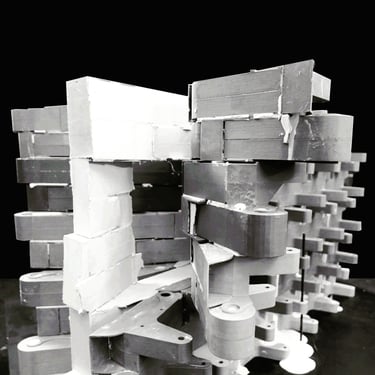
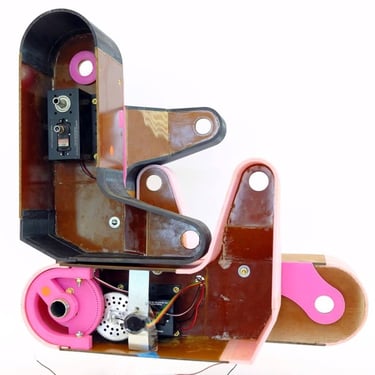
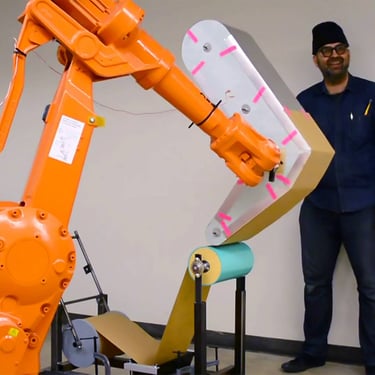
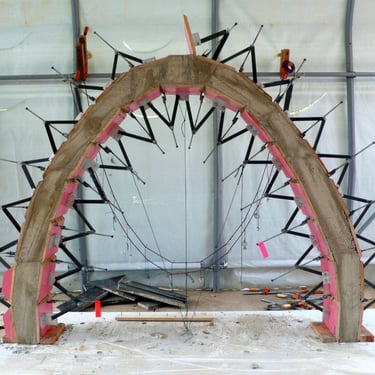
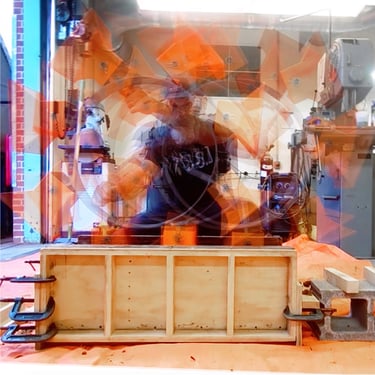
This machine work features the design and development of a robotic formwork system for poured earthen materials. The project applies mechanization and computational control to the basic concept of formwork, enhancing the qualities of mobility and variability that are characteristic of contemporary sheet-based formwork systems. The resulting digi-mechanical “formwork machine” could potentially reduce placement, setup, and breakdown costs while simultaneously addressing significant worker safety issues that are associated with traditional hand-set formwork systems. Robotic formwork could simultaneously enhance the technology’s unique capacity to respond to architectural form requirements with increased digitally driven customization and variability. Contemporary developments in creating sustainable concrete formwork systems are working to replace or eliminate sheet-based, hand-set formwork with factory situated alternatives. This project alternatively keeps formwork onsite, addressing the material and economic wastefulness associated with sheet-based formwork by evolving the current parts-based, disposable system (sheets/planking, connections, bracing, tie hardware, etc.) into a more robust form-making machine.
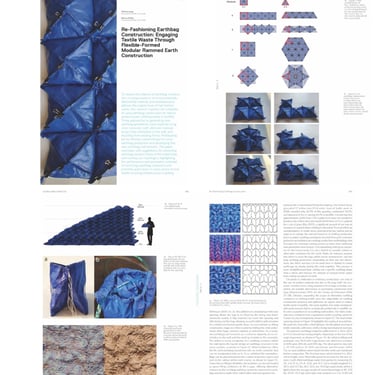
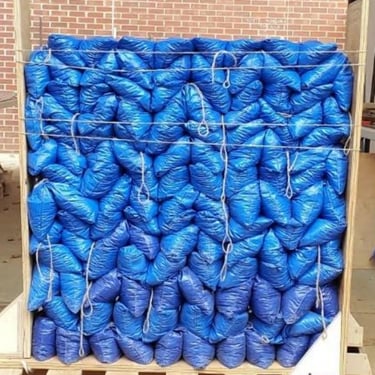
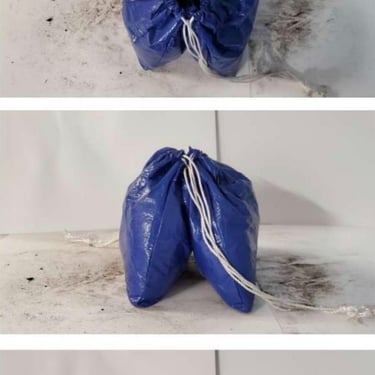
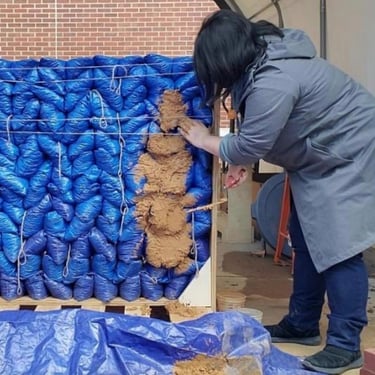
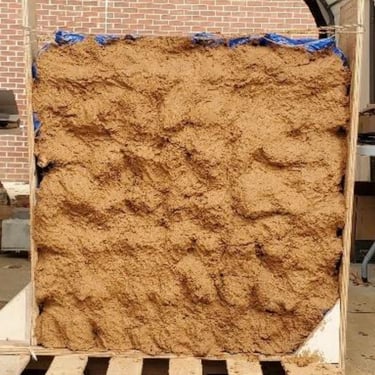
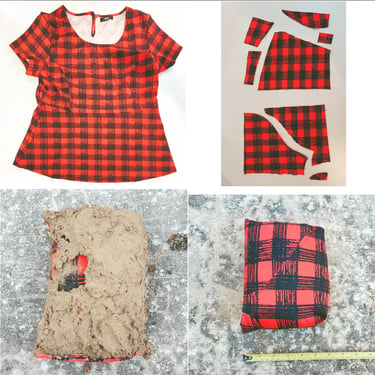
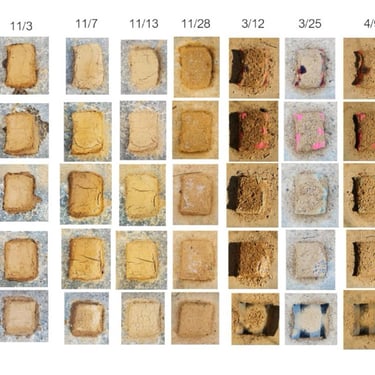
Tiffanie Leung / Arch PhD Student / Earthbag Geometries / Textile Waste Earthbag Construction